Find out how a GC Can Boost Efficiency and Achieve Success in Your Building Projects
A commercial builder plays an essential role in the construction industry. This expertise makes managing projects easier, leading to improved performance and positive results. By coordinating communication among project participants and using their connections with subcontractors, they guide the complexities of building endeavors. Understanding local building codes also reduces potential compliance issues. This prompts a vital inquiry: how do these factors interact to change construction methods?
The Role of a GC
A GC manages the intricate operation of construction projects, guaranteeing everything runs efficiently from inception to completion. They act as the primary contact, liaising between various project participants, including owners, subcontractors, and vendors. This role involves careful organization, scheduling, and budgeting to meet project timelines and financial constraints.
The contractor oversees all building work, ensuring compliance with building codes, safety regulations, and quality requirements. They are in charge of acquiring necessary permits and addressing any legal requirements associated with the project. In addition, they oversee the crew, assigning tasks to qualified workers while watching output and productivity.
In addition to overseeing daily operations, the contractor resolves any problems or delays that arise, modifying plans as necessary to maintain the project schedule. This comprehensive management is vital for minimizing risks and securing the successful completion of commercial construction projects.
Benefits of Hiring a General Contractor
Working with a general contractor provides many benefits that can greatly enhance the efficiency and success of a construction job. One major advantage is their skill in overseeing complex projects, allowing for streamlined communication among various parties involved. This consolidation minimizes misunderstandings and reduces possible delays.
Additionally, general contractors have existing connections with subcontractors and suppliers, guaranteeing prompt access to high-grade supplies and qualified workers. This network often results in cost savings and faster completion times.
Contractors provide a wealth of knowledge about local codes and regulations, which prevents regulatory problems and hefty fines.
Furthermore, hiring a general contractor enables owners to concentrate on their core business activities, instead of being burdened by day-to-day construction administration. Taken together, utilizing a GC can result in a better structured, efficient, and successful construction endeavor, ultimately leading to a greater financial return.
Core Duties in Construction Oversight
Effective project management copyrights on multiple essential roles that a general contractor must copyright throughout the construction process. Key to this position involves creating a precise project outline, which specifies the goals, deadlines, and financial limits. The GC works closely with multiple groups, including architects, subs, and suppliers, guaranteeing seamless communication and collaboration.
Additionally, they handle assigning resources, overseeing workers and materials to optimize efficiency. Risk assessment is refer now another critical responsibility, as the contractor needs to recognize possible obstacles and put strategies in place to reduce them. Frequent oversight of work is vital; the contractor evaluates work completed against project milestones, modifying plans when needed to keep on schedule.
Furthermore, a general contractor guarantees compliance with safety regulations and building codes, fostering a secure work environment. Via these tasks, they ensure a comprehensive method to project management, driving overall success in building projects.
General Contractors: Ensuring Projects Finish On Time
While challenges in construction timelines are common, general contractors use careful planning and forward-thinking oversight to ensure projects finish on schedule. They begin by developing comprehensive schedules that detail every stage of the project, listing key stages and due dates. By breaking the project into smaller tasks, they can allocate resources effectively and anticipate potential delays.
Regular progress monitoring is another critical aspect; general contractors check the current standing relative to the original plan, making modifications as required. They also practice risk assessment, recognizing potential hurdles quickly and creating backup strategies to mitigate disruptions.
Furthermore, general contractors maintain strong relationships with suppliers and specialized workers, guaranteeing labor and materials are accessible at the right time. This preemptive measure promotes ownership for every participant, helping create a smoother operation. In the end, these methods culminate in improved productivity, minimizing the chance of overruns and ensuring that projects are concluded within the timeline.
Improving Communication and Collaboration on Site
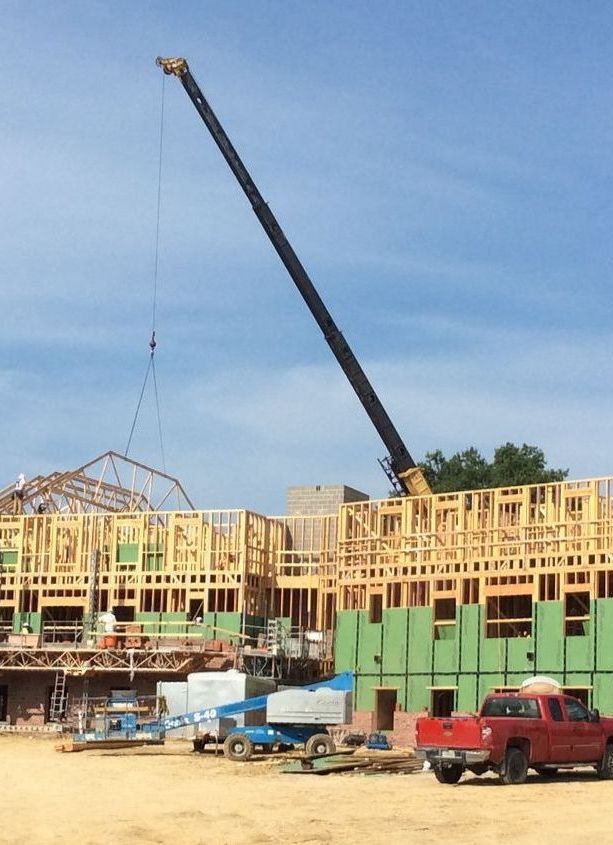
To boost information flow and teamwork at job sites, GPs establish defined procedures that aid the movement of data between every member of the team. These processes often include scheduled gatherings, clear channels for reporting issues, and the application of technology that allow for real-time updates. By establishing a framework for dialogue, contractors make certain that all stakeholders—architects, subcontractors, and workers—are aligned on project goals and timelines.
In addition, encouraging clarity allows issues to be resolved quickly, minimizing the chance of misunderstandings that might cause holdups. They also solicit opinions from every tier of personnel, knowing that perspectives from jobsite staff can significantly boost job productivity. By focusing on dialogue and collaboration, general contractors do more than just optimize processes but also improve staff spirit, in the end leading to the success of construction endeavors. The result is a more unified operational setting where challenges are met with shared solutions.
Frequently Asked Questions
What Qualifications Should I Look for in a General Contractor?
When hiring a building professional, one should prioritize qualifications such as proper licensing, insurance, experience in relevant projects, strong references, and strong interpersonal skills. These elements significantly add to effective job completion and complete client happiness.
How Do General Contractors Handle Project Budgeting?

General contractors manage project budgeting by determining prices, collecting offers from vendors, monitoring costs during the job, and adjusting budgets as necessary. Hickory top rated Commercial General Contractor. They make certain that money match the job's needs, maximizing efficiency and reducing monetary exposure
Will a General Contractor Aid With Permits and Regulations?
Absolutely, a GC is able to help with permits and regulations by navigating the complicated rules, making certain local statutes are followed, and simplifying the paperwork, thereby accelerating the project and minimizing potential delays for clients.
What is the Standard Duration for Selecting a GC?

The usual duration for hiring a general contractor ranges from a few weeks to several months, contingent upon the project's intricacy, the availability of the contractor, and the client's decision process, to ensure proper planning and alignment with construction goals. - Hickory top rated Commercial General Contractor
- Hickory top rated Commercial General Contractor
What Methods Do General Contractors Use to Effectively Manage Subcontractors?
General contractors manage subcontractors effectively by setting up clear lines of communication, establishing specific expectations, monitoring progress regularly, and aligning timelines. General contractors ensure all parties know their roles, thereby fostering collaboration to keep the project on schedule and copyright quality standards.